|
The Dojo is our Salvation and to some a Sanctuary. It is a place where you learn about yourself and people, in time these people will become acquaintances if not friends, so the Dojo is a focal point that not only enables you to achieve a healthier way of life but also generates Self-confidence, Social interaction and Team work.
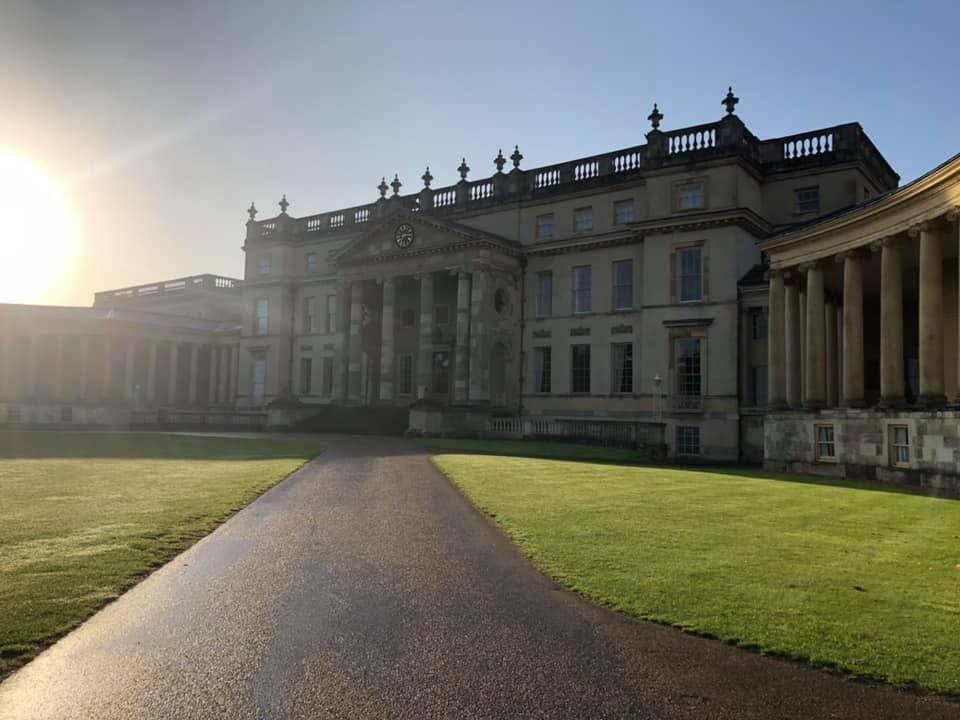
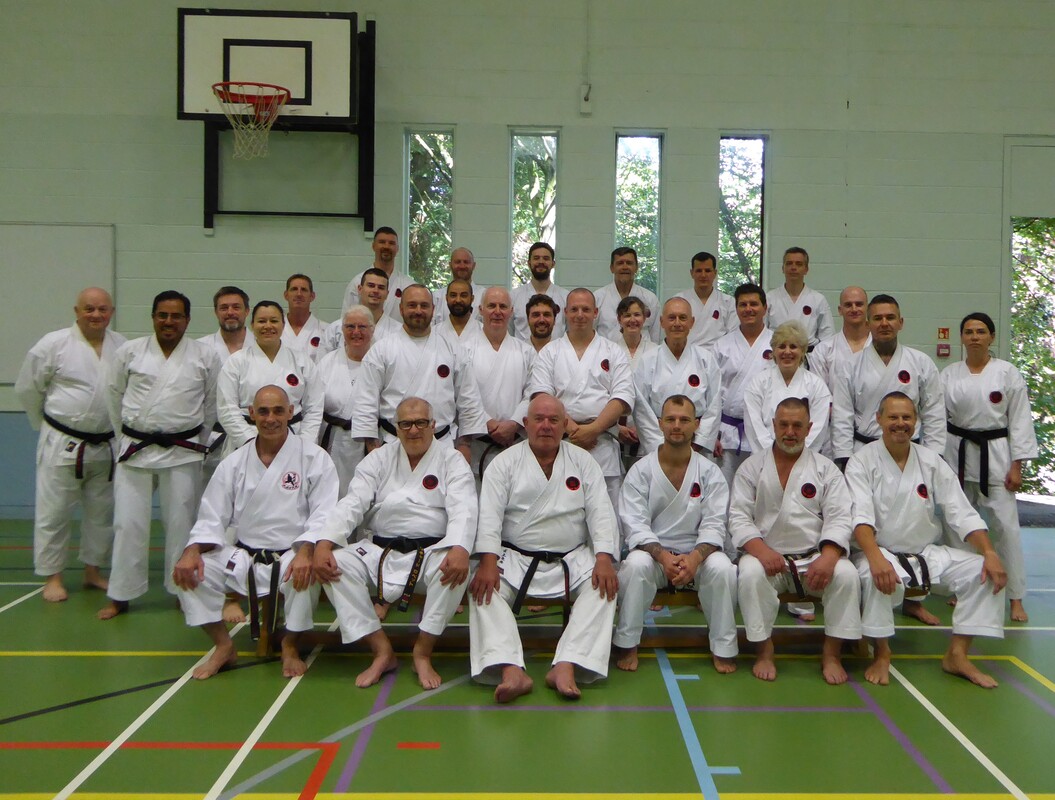
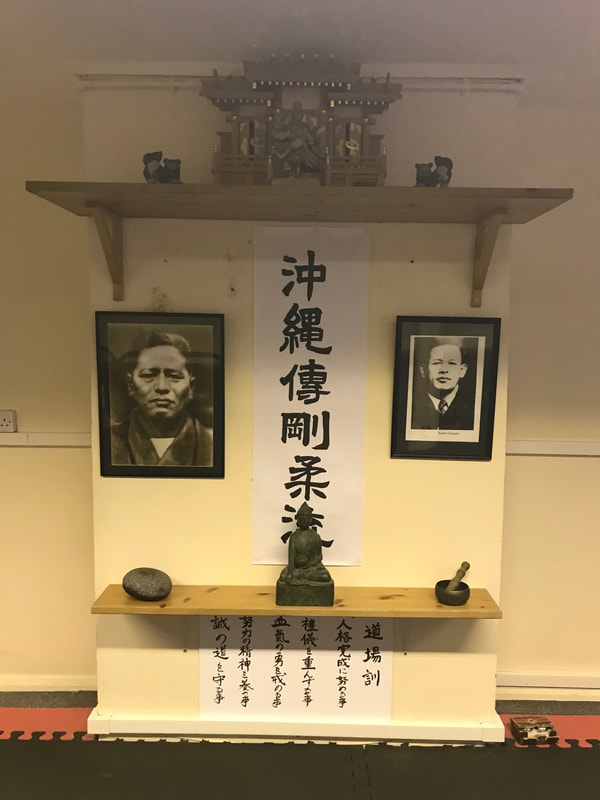
The Dojo is a pure domain, there is lots of energy that is generated through diligent training and hard work and faith, so what you attain from the teachings in the Dojo you should help to maintain its purity by regularly cleaning every corner of the Dojo with Love. When cleaning the Kamidana (Alter) and the Busaganashi do not use any water or any chemical subtends just remove all dust the best you can, the pictures of the founder Miyagi Chojun Bushi, Shinzato Jinan Sensei and Miyagi An’ichi Sensei must be Black and White only because they are deceased, and pictures of active Masters can be coloured and placed on the side or back of the Dojo, the Mirrors, Windows, Furniture and fittings with a cleaning spray and the Floor if wood, should be done by hand with a cloth not with a mop, all members of low grades volunteer first. Cleaning should be done every week. This is “Giri “which roughly means Duty or Obligation to the Sensei and the Dojo. George Andrews Since 2010, the Japan Association in the UK and the Embassy of Japan have held a free event in central London to celebrate Japanese culture. In addition to displays of dancing, music, fashion and food, the Japan Matsuri includes a martial arts stage. Sensei George has led a demonstration of Okinawan Traditional Goju Ryu Karate-do every year there and 2020 was no exception, despite the Matsuri being held online. During August a few black belt members recorded themselves demonstrating aspects of a typical class and the footage was pulled together to create a 10-minute short film. This was shown on Sunday 27th September alongside films from Kendo, Aikido, Naginata and Shiranamikai Karate. The OTGKA short film reflects how we have continued our training with classes available online. In recent years the OTGKA has held a residential Summer school open to all practitioners of Goju Ryu karate-do. The Gasshuku has been held at prestigious independent schools at various locations in the South of England and 2019 was no exception. The selected venue was Stowe School which is based at Stowe House. This impressive Grade I Listed Building was formerly the country seat of the Dukes of Buckingham and Chandos. Training was held daily in Drayson Hall, the sports centre, meals were eaten in Stowe House itself and one of the boarding houses provided comfortable accommodation and a space for us to socialise in the evenings. The sports centre was named after Robert Drayston, a former headmaster of the school. According to Wikipedia, one of Drayson's boys at Stowe was Richard Branson, who later confessed that while at the school "In a lengthy report, I instructed the then headmaster, R. Q. Drayson, in no uncertain terms just how I felt he should have been running the school. I covered many areas... Boldly, I said money would be saved by my plan and this could be put towards my next proposals." When the 16-year-old Branson left Stowe, Drayson told him, "Congratulations, Branson – I predict you will either go to prison or become a millionaire." Training was led by Sensei George Andrews with plenty of time committed to training in smaller groups receiving instruction from Sensei Dick Lovett, Sensei Dave Amber and Sensei Andre Leister. Sensei Dave took the opportunity to share from his recent experience training in Okinawa and Sensei Andre provided kobudo training in Bo and Nunchaku. On Saturday evening everyone participated in the annual Gasshuku quiz, with the Cambridge team taking victory this year. Plans are already in place to hold the 2020 Summer Gasshuku at the same venue, watch this space!
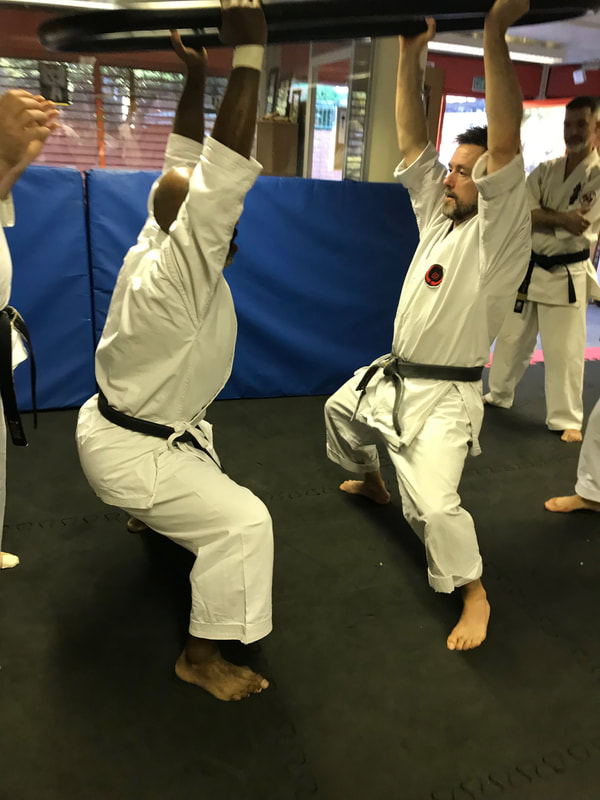
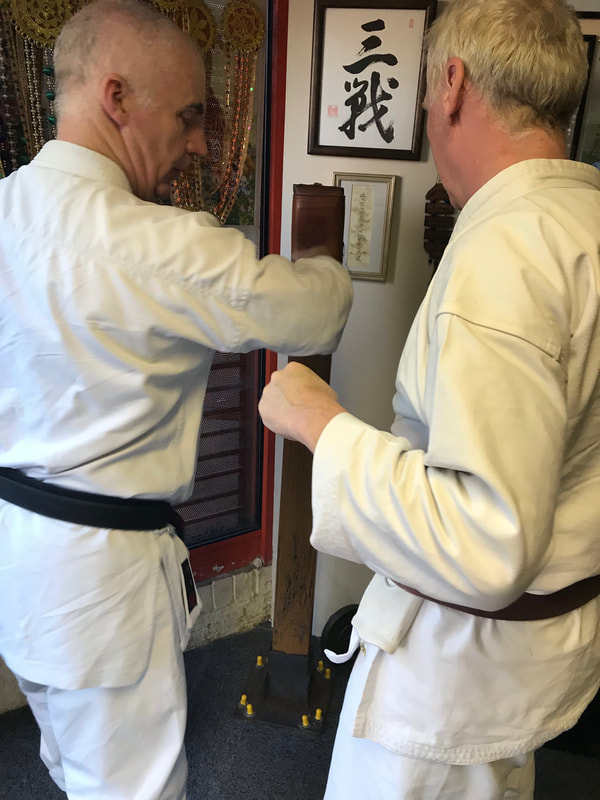
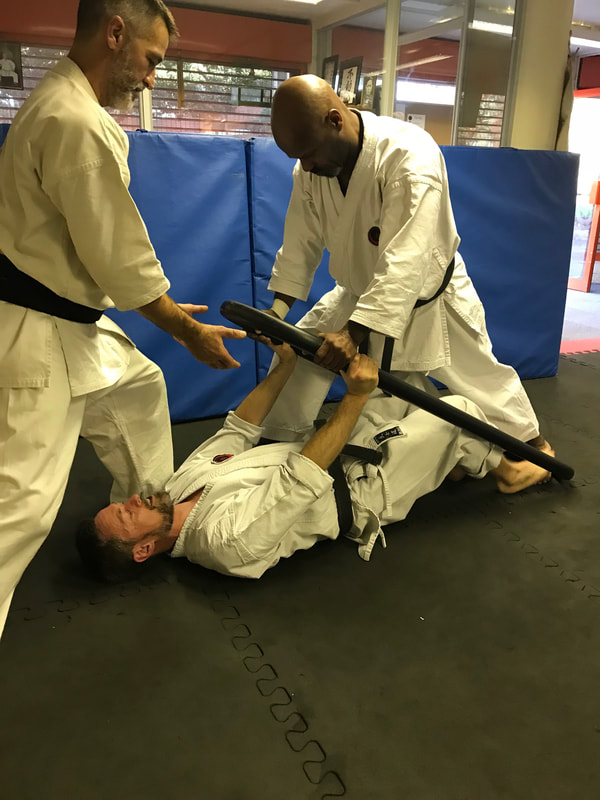
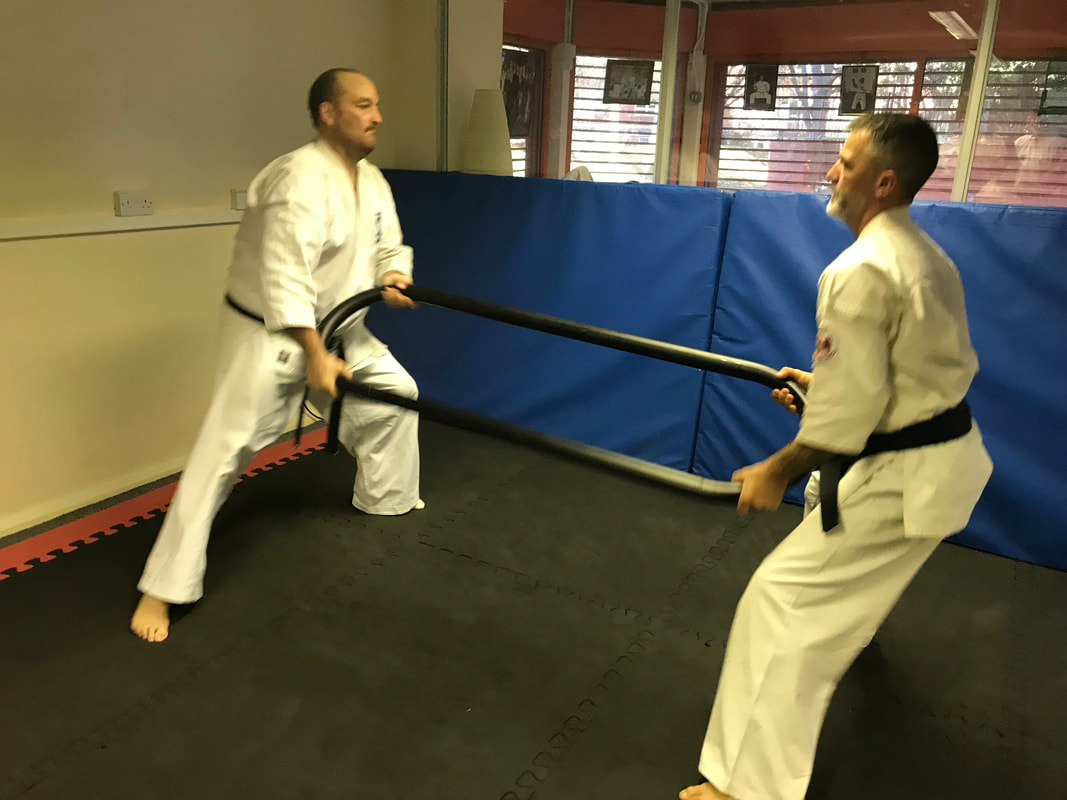
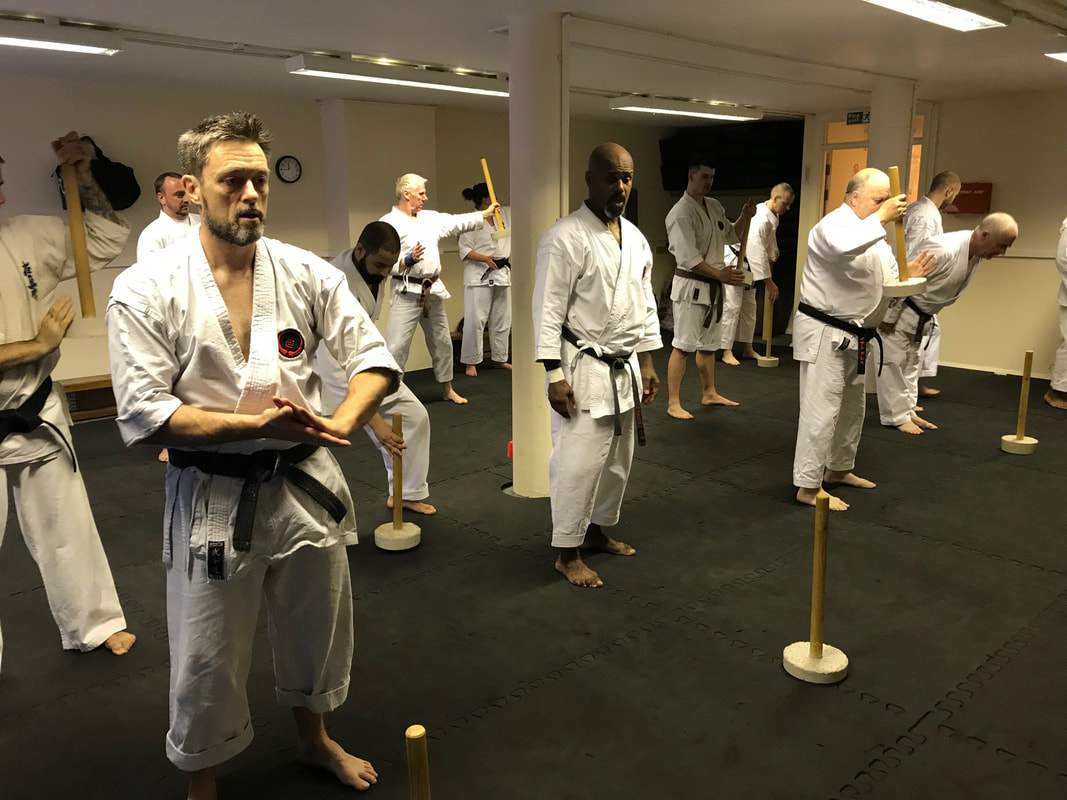
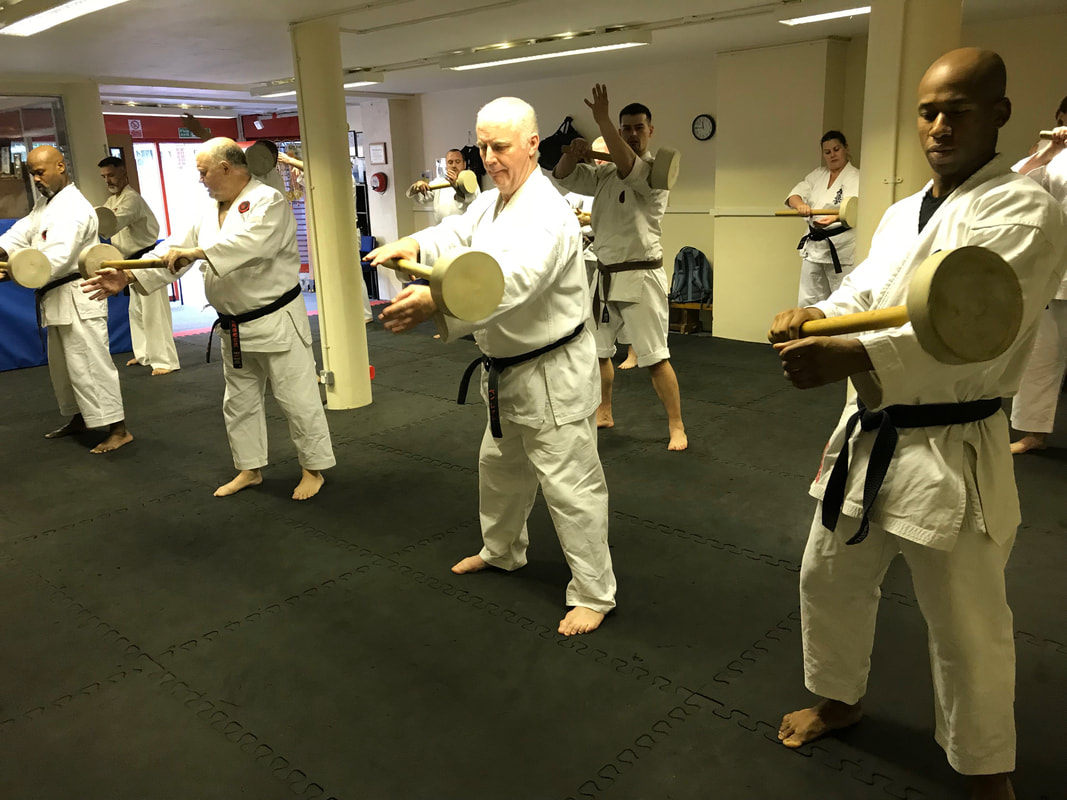
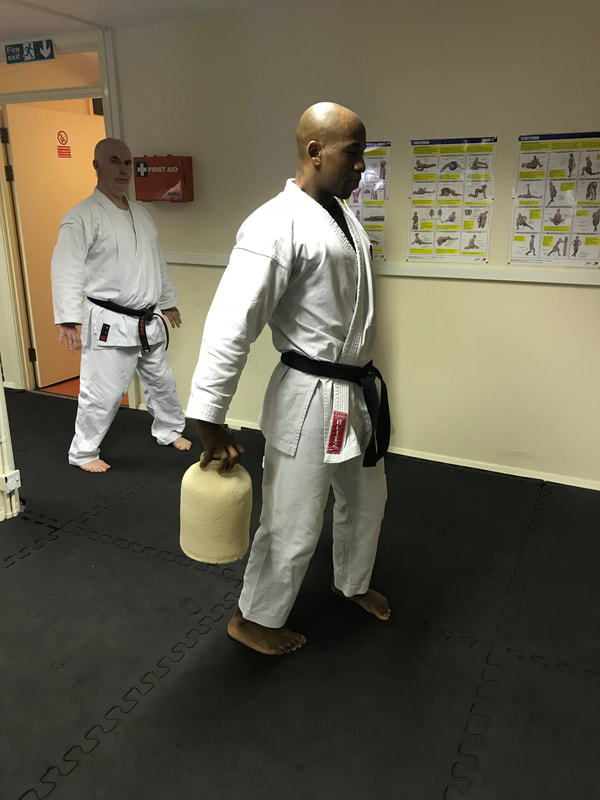
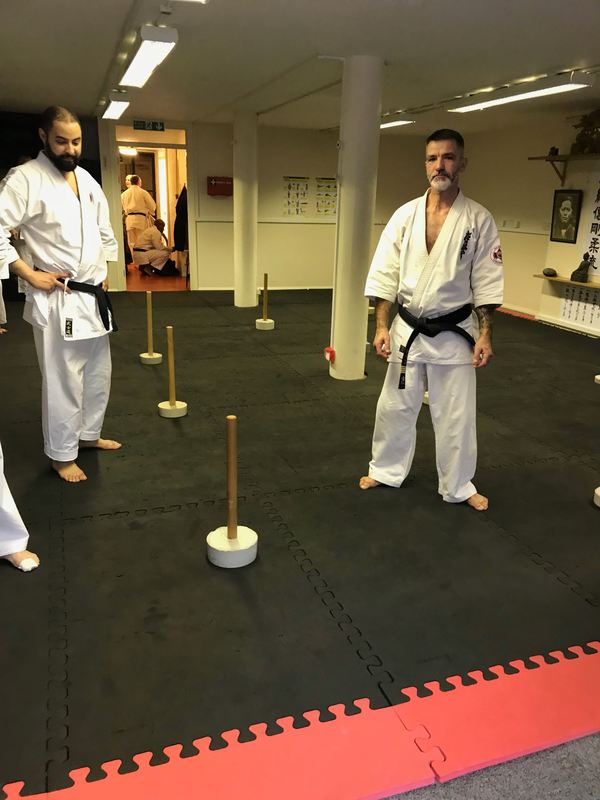
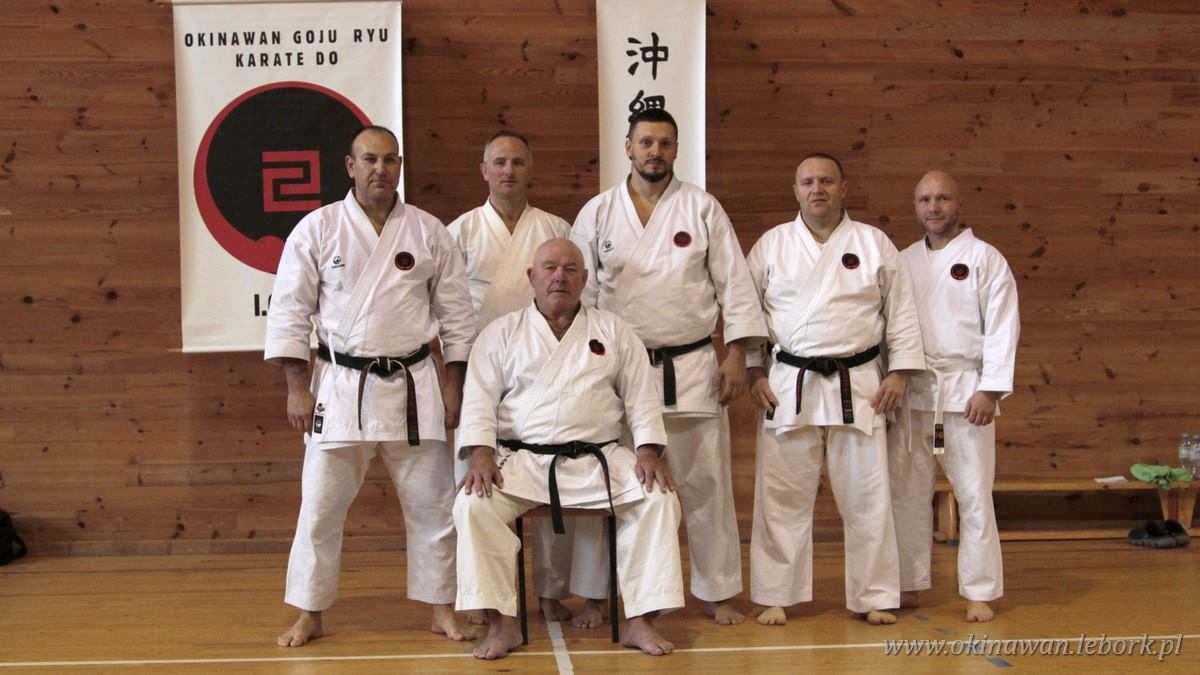
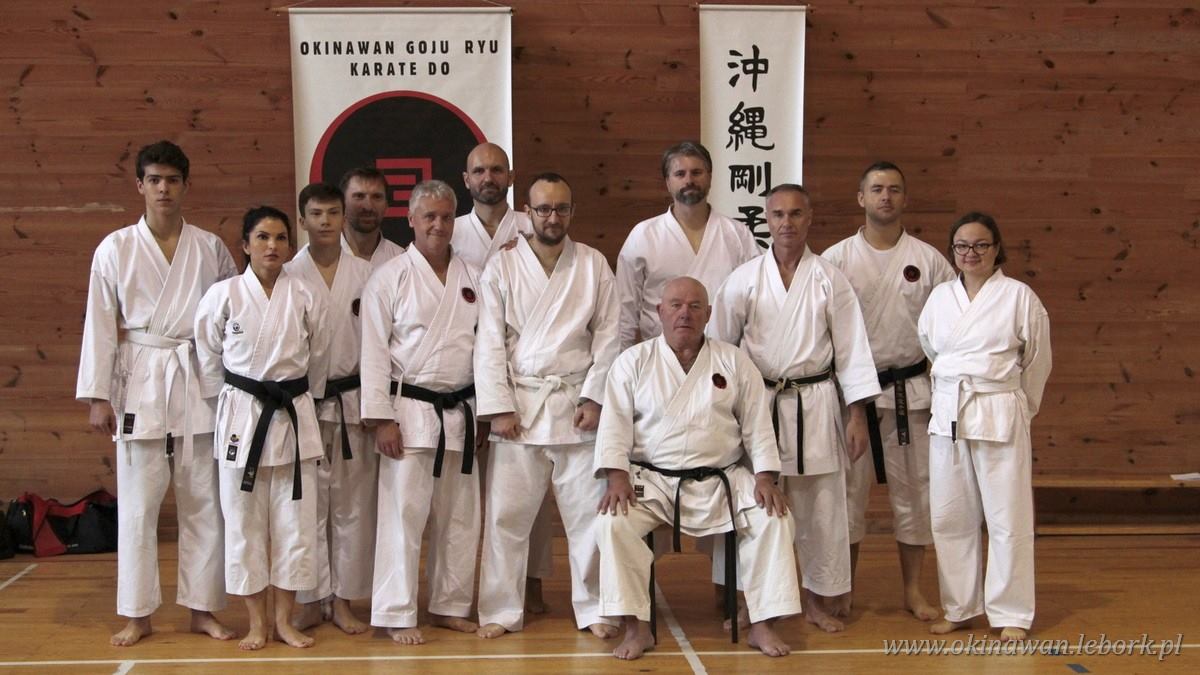
Sunday 18th November I arranged a Hojo Undo (Supplementary Training) course at the OTGKA Honbu Dojo, in Peckham, London. The course ran for 3 hours and in that time the people experienced an array of training aids. For some it was their first time that they had utilised these implements. We started with Chikara Ishi (Strength Stone) over 10 disciplines, which is called Chishi Kata, it was a complete eye opener for some. Then it was to Tetsu Sashi (Iron Lock) most exercises, if not all, are concentrating on grip and the forearm. Next they tried Nigiri Gami (Gripping Jars) and I explained in detail the history, reason and benefits of each apparatus. After a water break most were feeling the fatigue, and then it was to the Kongo Ken (Diamond Ring). This apparatus was invented by the Hawaiian Wrestlers and its shape was modified by Miyagi Chojun Bushi. If you would like to see the original Kongo Ken then go to Youtube and put in Kings of the Square Ring, there you will Tony Inoki training with it. See link below, from 42 minutes, starting with footage of Goju Ryu push ups. Next they were introduced to Makiwara (Rolled Straw). However, in today’s society we use leather, due to Hygiene and Health and Safety. In the old days in Okinawa many seniors after punching the Makiwara would go to the side and Urinate on their knuckles because there was no Antiseptic so the urine would act as a Antiseptic. Today with have more advanced methods. Due to the pressure on the grip through all the disciplines, I also introduced Dexterity Balls (Handiness Balls) with the greatest respect I made it look easy due to many practice, some people felt confident starting, but it soon came apparent that it was much harder then anticipated. To conclude I promised no Karate – Do, but I could not resist finishing with Sticky Hands, all seemed to enjoy the finish. To conclude all appetites were replenished, a good day had by all. My special thanks to the contingent from Kyokushin Kai, Lee Jackson, Louise Fenney and Michael Humphries. There was a suggestion to repeat these courses 3 times a year, so I will incorporate them in my Calendar for 2019. George Andrews I always like to arrive 3 days before the Gasshuku starts to give the Chief Instructor and Assistants private training to enhance their enthusiasm. On arriving at Gdansk Airport I was met by Andrzej Markowski and after a 2 hour drive we arrived at the Guest House where I was staying, Słoneczny Dom ul. Słoneczna 20 84-360 Łeba - Nowecin Poland. Next morning I gave private training to Sensei Marian Czyikowski teaching him Suparinpai Kata in detail. In the evening he took me to his new Dojo and I conducted a class for some of the people that had helped him renovate the Dojo. The training started on Friday evening, I covered all Basics and Combinations. On Saturday morning it was the Children first and we had a great time although it was only a small group, then it was time for Adults. Sensei Adam Litwinski came, it was nice to see him again. After a short warm up the next 4 hours was Self-defense and Combinations, the last hour was for Yudansha in Kata detail. In February I will by in Poland again to give a Gasshuku to Black Belts only, detail in advance Kata and Applications. This would be a great opportunity for all Black Belts in Poland to come together and enjoy a training w/end, Contact Sensei Marian for details. Sensei George Andrews Photos courtesy of Marian Czylkowski
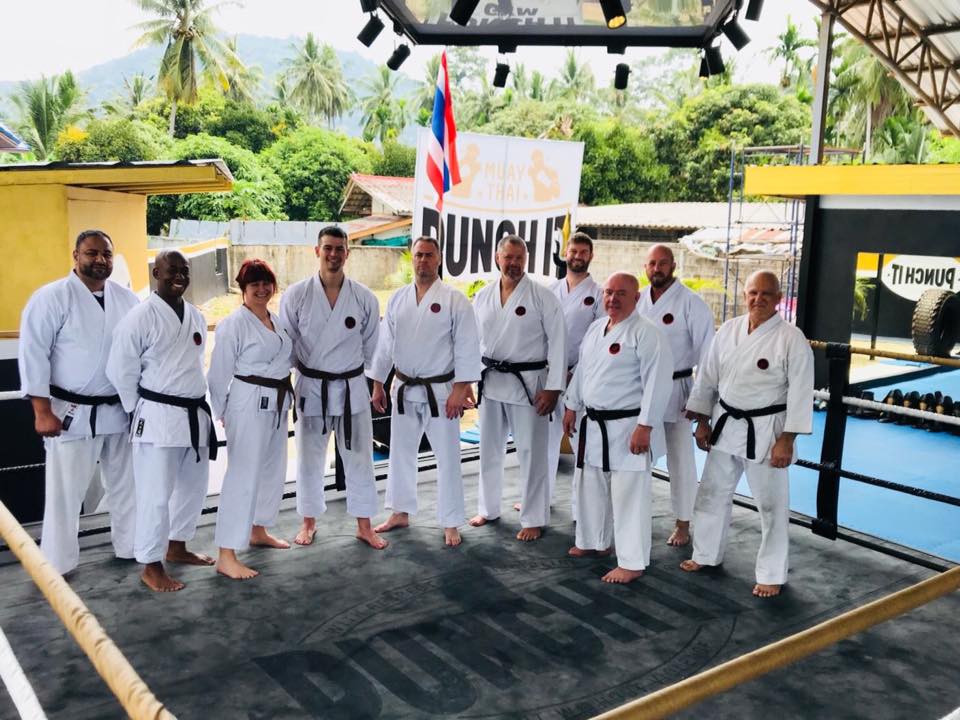
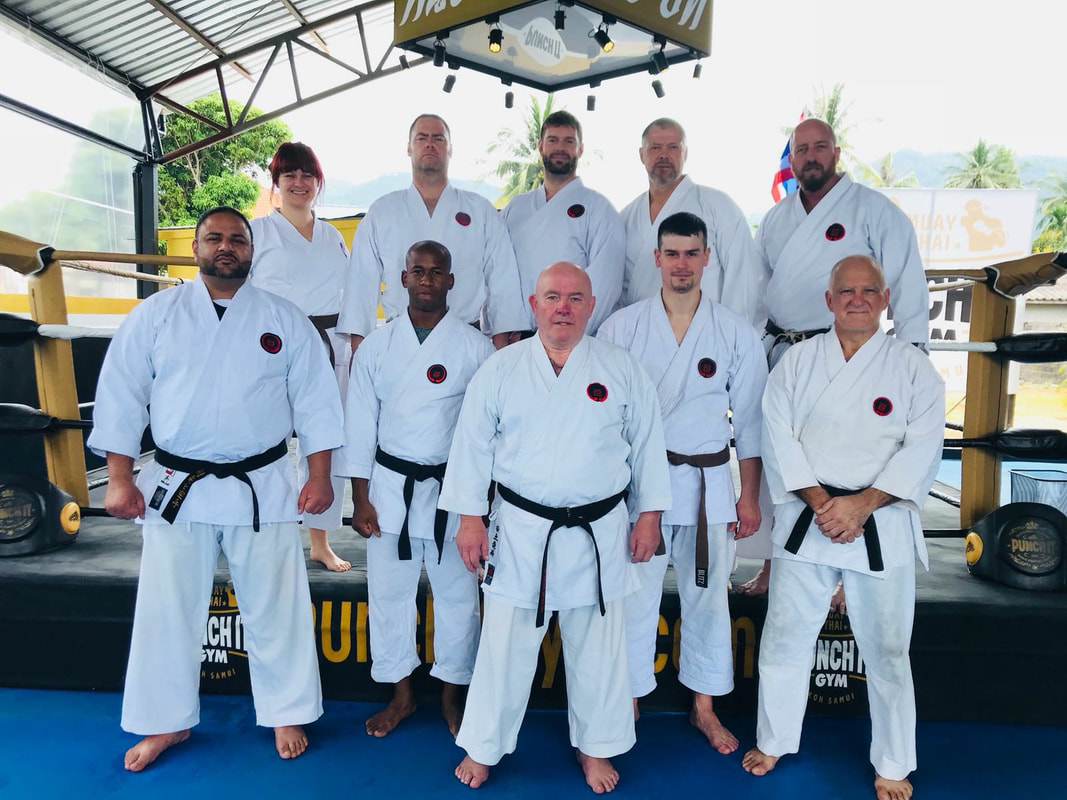
This year the Gasshuku was later than usual in April, as one of the most regular participants’ Sensei Gavin Hill from Australia was busy with work. There were less people than previous years only 11 people training but we still had a great time training and socialising together. The training was for 4 hours in temperatures reaching 35°C. Physical training and one hour lectures on Anatomy, Biology, Physiology, Criminology, Nutrition and Prevention to add to this delight, Fresh Fruit and Cool Water would replenish every day the lost Nutrients, Minerals and Vitamins, because without this you would probably pass out with dehydration and Fatigue. All aspects of the IOGKF curriculum were implemented, but a great emphasis was on impact work and endurance training Methodologies. Then we all went down to the beach for a Massage, laying there listening to the waves with a warm breeze for an hour to isolate all pains and tension that the training had brought. Everyday students weighed themselves before and after training and most lost 3 – 5 kilos. For the evening entertainment, we all met for dinner and sampled some of the best Sea Food, Steak House and Thai Food you can imagine, and very inexpensive. As to the Welcome Party, there was so much food that we could only eat half; there was Fish for all people, Chicken, Pork, Large Prawns, and Green and Coconut Curry and Rice. The Hotel we stayed in, The Spa Garden Resort in Lamai, which was fantastic. The Owner and Staff were very kind and helpful, there was a free shuttle to the beach every day, and a tour of the Island for a fee, this Gasshuku is unique and you will never forget it. George Andrews
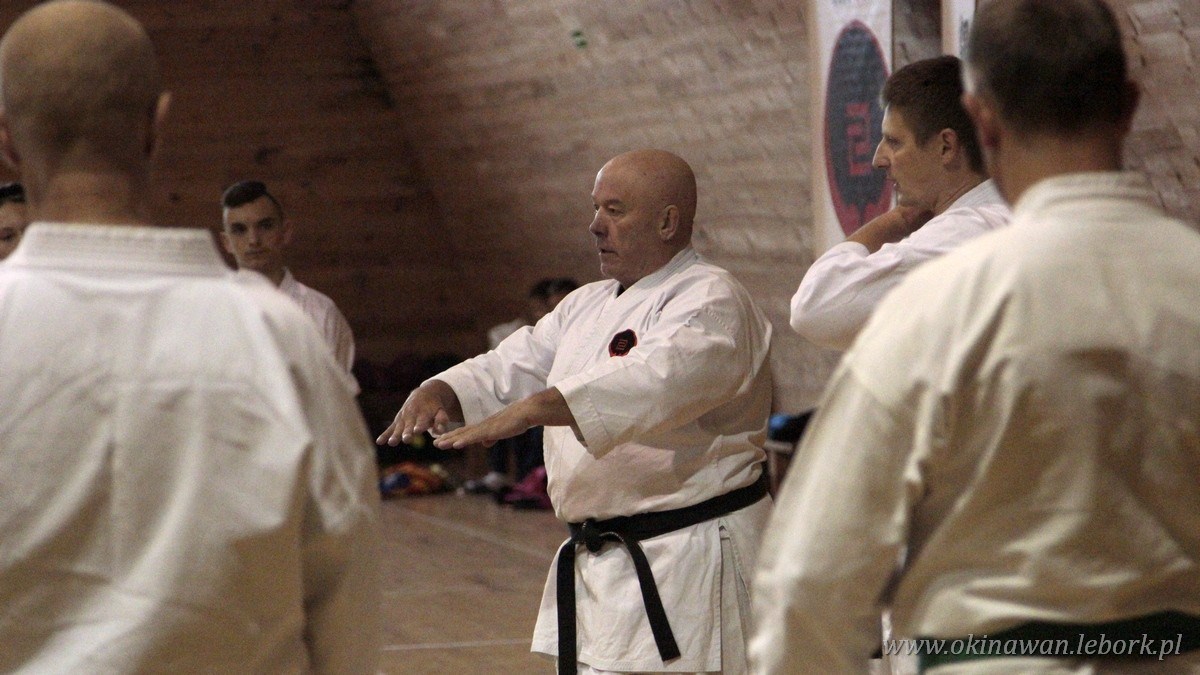
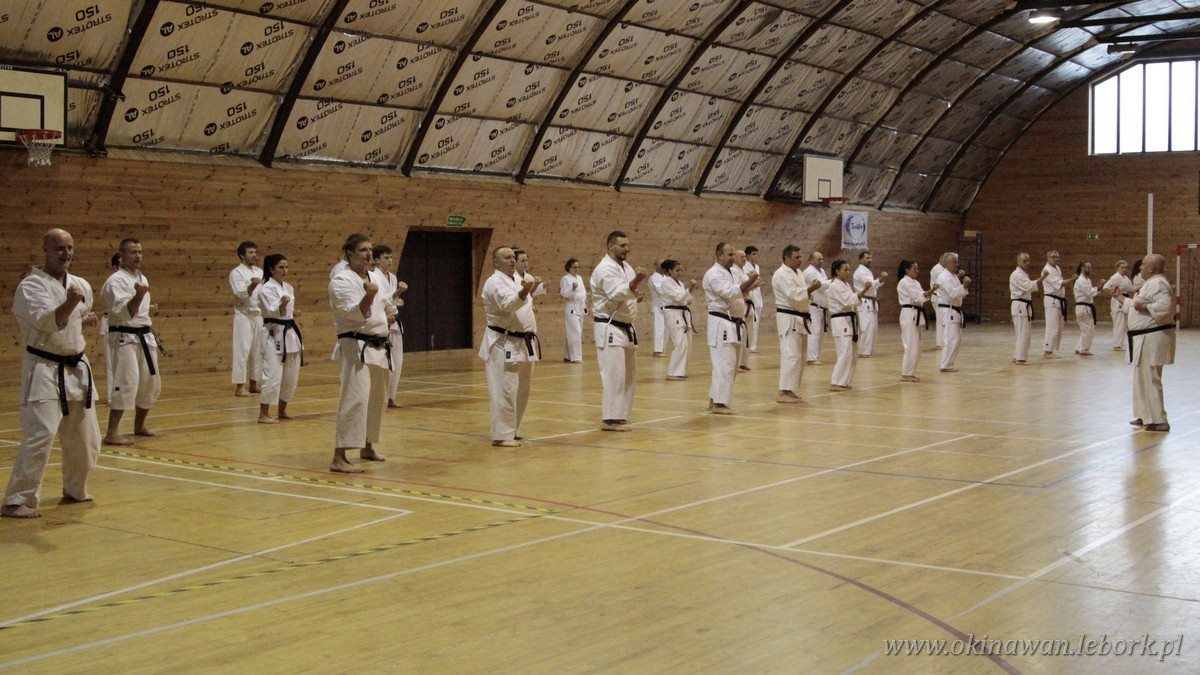
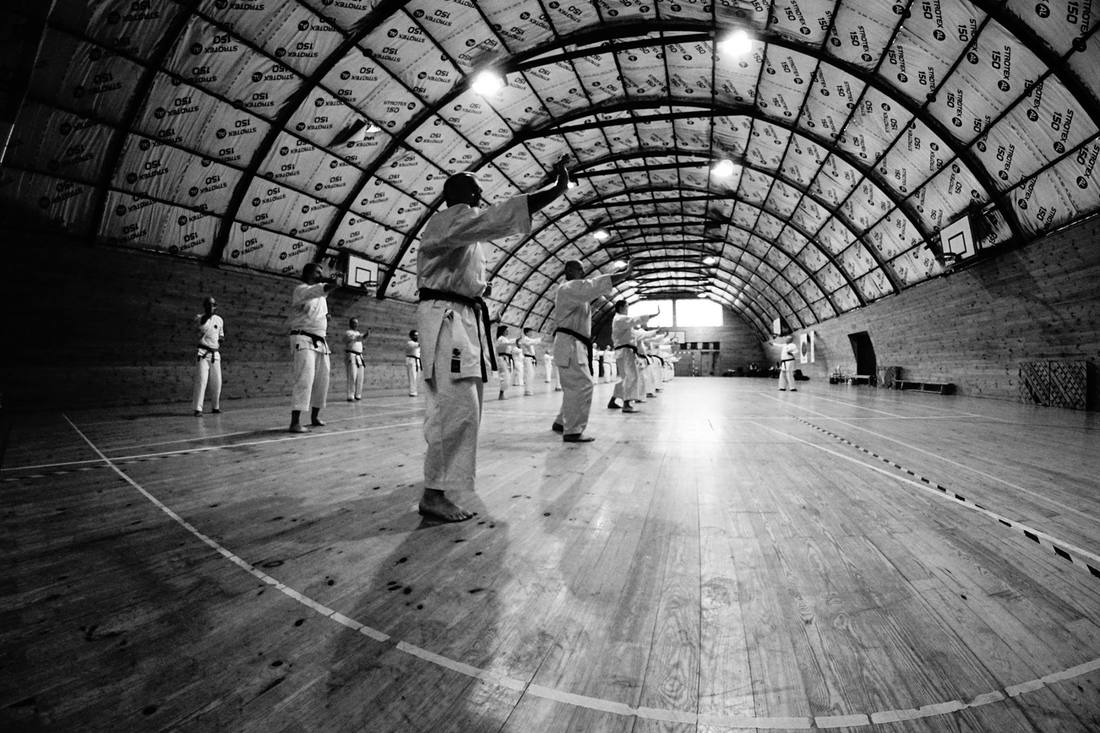
Since 2002 I have conducted about 50 Gasshuku, from Slupsk, Wrocław, Lebork, Wicko, Bydgoszcz, Piotrków Trybunalski,Radom, it has always been a pleasure. As to this trip I was met by Sensei Marion and Andrzej on Wednesday and after a good night’s sleep and breakfast on Thursday morning it was time for private training with Sensei Marion. The training was in preparation for his up and coming examination so the concentration was on Sesan Kata and Bunkai over and over again and the same on Friday morning. The Gasshuku started Friday evening in Wicko, then on Saturday in Lebork. Training started with the Children for the first hour and then the Adults for 4 hours. The Gasshuku was opened by the Mayor of Lebork and I was honoured for the 50th year in Karate – Do and presented with a Plaque and a medal with a Diploma. Sunday morning Sensei Adam Litwinski took the warm up with all the Adults and after the Children’s class had finished, the training was only Kata and Bunkai from Geki Sai Dai Ichi to Sesan, everyone was very happy to cover all the Kata and shown all of the Bunkai. Then for the next 2 hours it was time for 2 candidates to show their proficiency, Sensei Marion Czylkowski and Mateusz Jedrzejczy. Kihon, Kata Bunkai,Yakasoku Kumite, Impact work and of course 100 push ups, sit ups and star jumps. I’m glad to say that they were both successful in their attempts, Godan Pass and Shodan Pass. I also gave private training to Senseis Adam and Marion together, focussing on Sesan Kata and Bunkai, in addition Sensei Pawel Iwaszkiiewicz concentrating on Kururunfa Kata and Bunkai. I look forward to seeing you all again in October, my special thanks to Monika & Andrzej Markowski for taking care of me. George Andrews 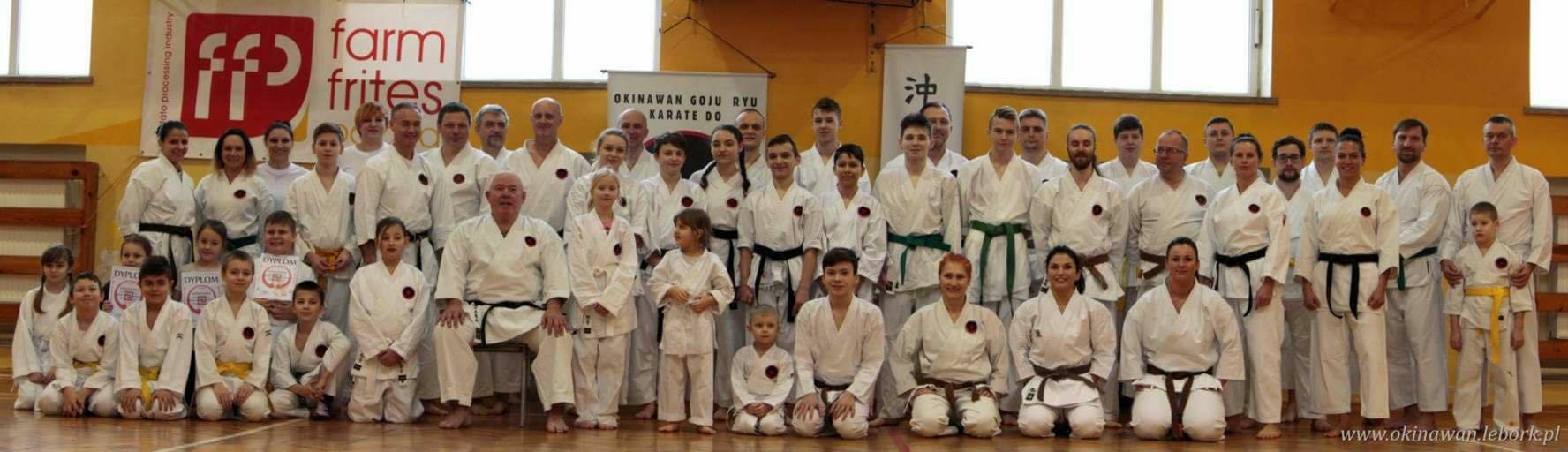 There were 30 countries in attendance, about 80 people, Chief Instructors and 5th Dan and above. The training started at the famous Okinawa Kenristu Budokan for the first day, then we moved to the pristine Okinawa Karate Kaikan, Higaonna Sensei arrived and looked in good spirit and was happy to see us all. After the greetings the words echoed “Line up”.
The adrenalin started to flow in anticipation for the Master to start the class, after 4 hours of pure Okinawan Goju – Ryu Karate – Do all appetites were replenished and a few cobwebs were removed. Great attention was paid to detail to Kata and Bunkai, Higaonna Sensei scrutinised everyone and said, only basic bunkai not variation, as we worked in partners. Sometimes Higaonna Sensei would say I can’t do this movement now but you must try, then he would demonstrate the movement and you could see and feel the power and speed of his technique. Higaonna Sensei spoke about Karate Ni Sente Nashi, “There exists no first attack, because all Kata begin with a block." My body is feeling tried but I have a renewed enthusiasm to develop and improve my Kata after being in the presence of the Master. George Andrews |
George AndrewsChief Instructor OTGKA Archives
February 2022
Categories
All
|





 RSS Feed